

KAMPALA – UGANDA has finally restored public internet services following the conclusion of controversial elections held on Thursday. Yet social media and messaging platforms remain restricted by authorities at the time

KAMPALA – UGANDA has finally restored public internet services following the conclusion of controversial elections held on Thursday. Yet social media and messaging platforms remain restricted by authorities at the time

by AKANI CHAUKE JOHANNESBURG, – ABSA Group has been named a Top Employer for 2026 for the fifth consecutive year, reinforcing its position as one of Africa’s leading people-centric financial institutions.
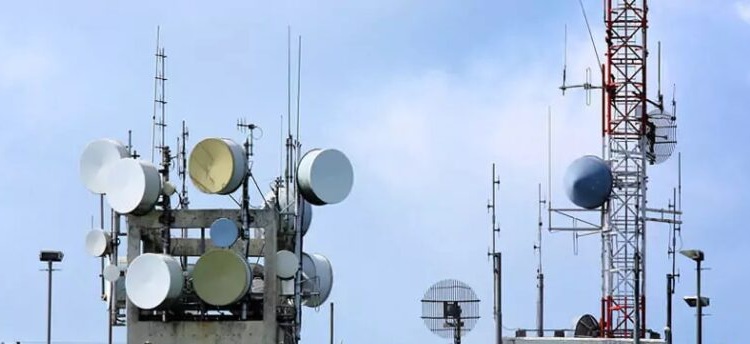
by MARCUS MUSHONGA HARARE – ECONET Wireless Zimbabwe added 103 base stations countrywide in the third quarter of the past year during a drive to improve coverage. The mobile operator

by ANYANG GARANG JUBA – SOUTH Sudan is looking to China to develop its telecommunications sector. This builds on the deepening relations between the world’s newest country and the Asian

by AKANI CHAUKE JOHANNESBURG – AFRICA has recorded a year-on-year decline in cyber-attacks over the past year. This is according to Check Point Research, which has released its December 2025 Global

by AKANI CHAUKE JOHANNESBURG – MTN South Africa is providing digital devices to selected schools across the country as part of the Department of Basic Education’s (DBE) Back-to-School Campaign. This initiative,
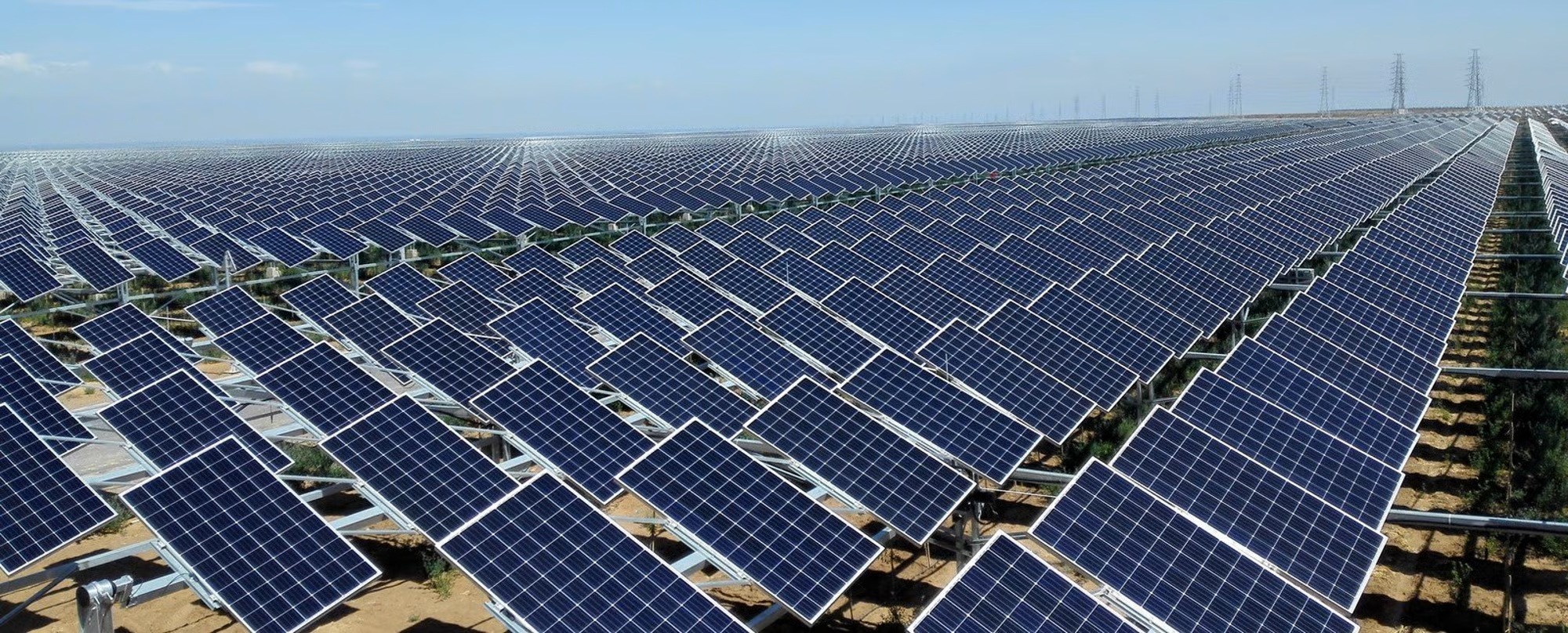
by HAOYU ZHANG BEIJING – SOLAR power has moved from the margins of global energy policy to its center, as governments accelerate deployment to cut emissions and secure electricity supply. According

by MARIA MACHARIA NAIROBI – KENYA’S National Treasury has initiated the process of selling the 15-percent stake in Safaricom to the Vodacom Group. Officials from the Treasury have engaged National Assembly

by HASSAN ONYANGO KAMPALA – A temporary shutdown of public internet access and selected mobile services in Uganda raises doubts regarding the fairness of the upcoming general elections. The Uganda Communications

by SAVIOUS KWINIKA JOHANNESBURG — THE rapid global expansion of low-Earth-orbit (LEO) satellite internet systems such as SpaceX’s Starlink has reignited a critical debate in South Africa whether advanced connectivity infrastructure